




Still Doing Your Makeup the Way You Did in the 90s? Read This

Here's something that came up over and over when we surveyed our customers this year, and it surprised us with how often it was said almost word for word:
“Being from my generation we didn't have tick tock and make up videos so I guess
I've never really learnt how to apply make up properly.”
“Applying makeup. I think I'm stuck in the 90's, haha.”
If that's you, you are in extremely good company. A big share of the women who wrote to us learned how to do their makeup somewhere between 1988 and 2003, from a magazine, from a mum, or from a girl at a department store counter who had fifteen minutes and a brief. Then life happened, and nobody ever came back and updated it. That's not a knowledge problem. It's a nobody-showed-us problem. And the tutorials that do exist are almost all made by twenty-two-year-olds, on skin that behaves completely differently to ours. Watching one is less like a lesson and more like being shown a recipe for a cake you don't have the ingredients for.
So here's a re-start. Not a full face. Not contouring. The handful of things that have genuinely changed, and why they matter more as skin changes.
Less product, better placed, beats more product
The instinct many of us learned was coverage: if something’s showing, add more product. But when makeup is layered too heavily, it can settle into texture and fine lines and make the areas you’re trying to smooth more noticeable.
Try the opposite. Start with about half of what you’d normally use, apply it only where you feel you need coverage, then build gradually if you want more. You may be surprised by how little product you actually need.
Skin prep does more of the work than the foundation does
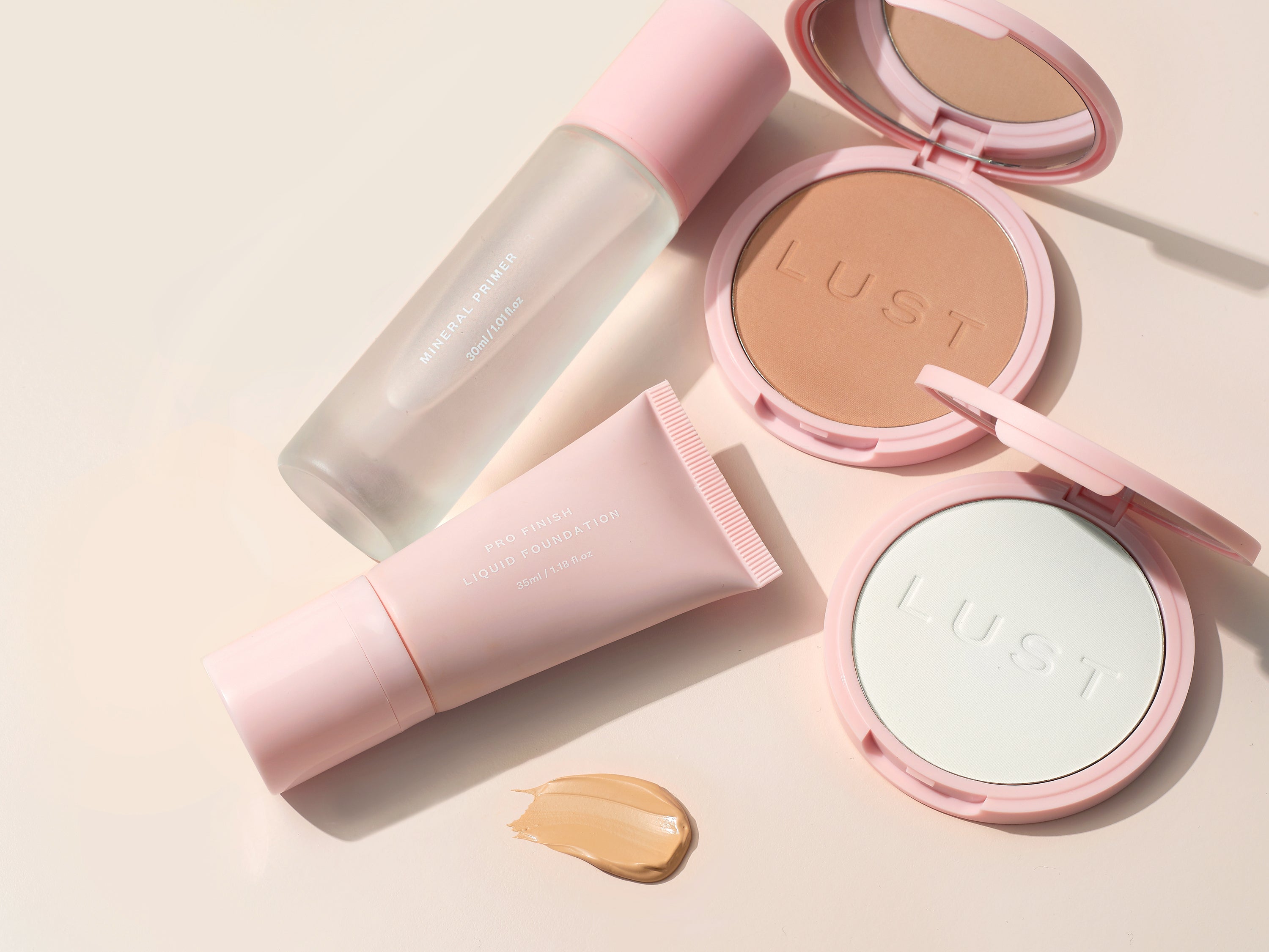
This is one of the biggest changes since the nineties. Back then, primer barely existed and moisturiser was often something you thought about at night. Now, we know that the few minutes before your foundation can make a huge difference to how your makeup applies and wears.
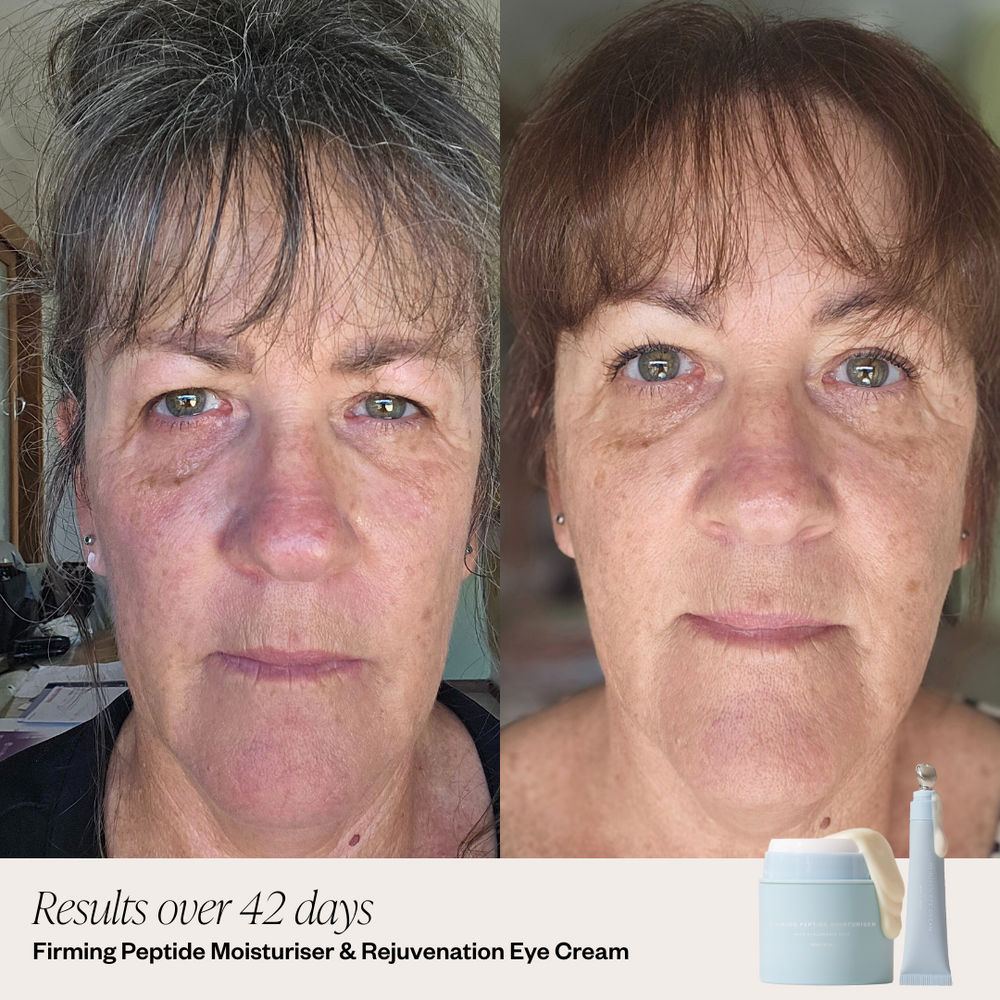
Start with freshly cleansed, well-hydrated skin, then give your skincare a minute to settle before applying makeup. When skin feels balanced and hydrated, foundation tends to sit more smoothly and evenly. If your makeup often looks dry, patchy or starts separating throughout the day, your skin prep may be playing a bigger role than you think.
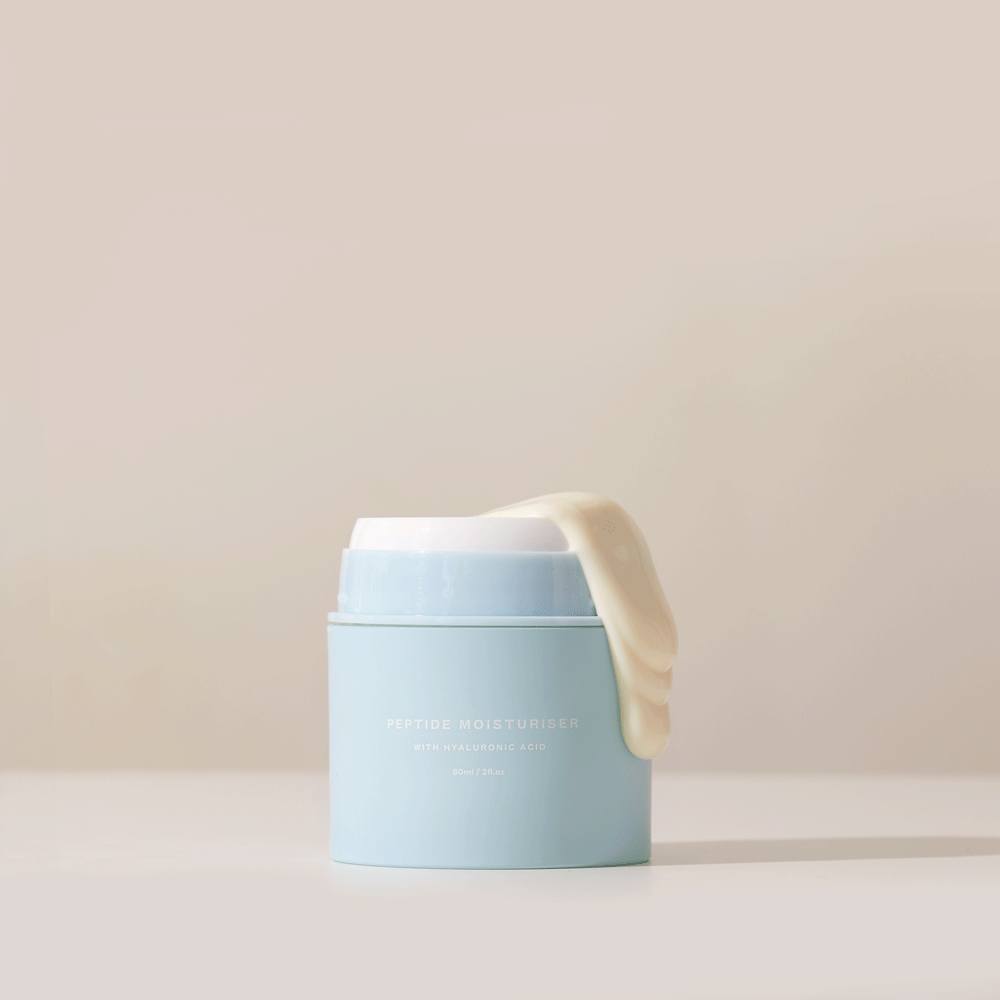
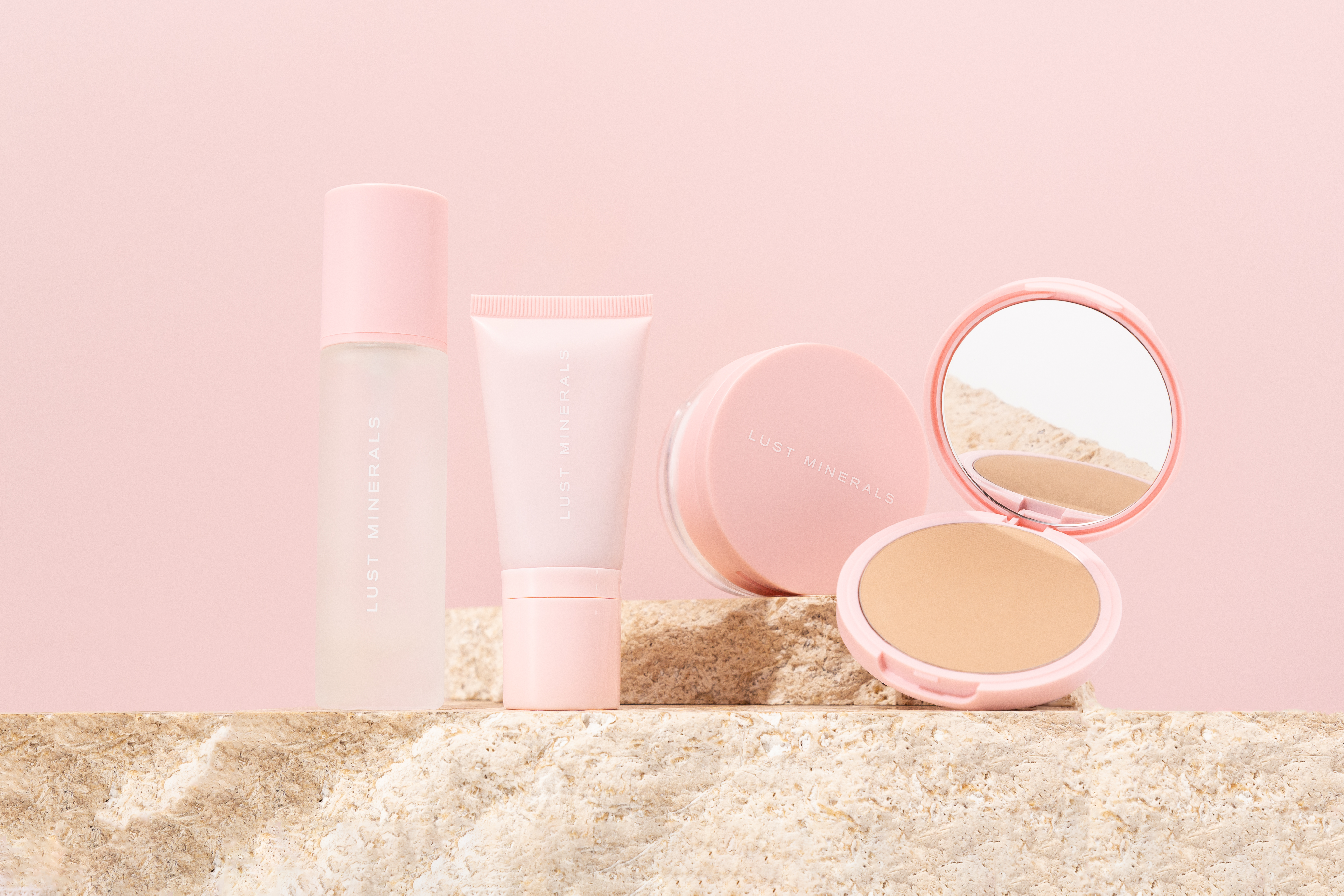
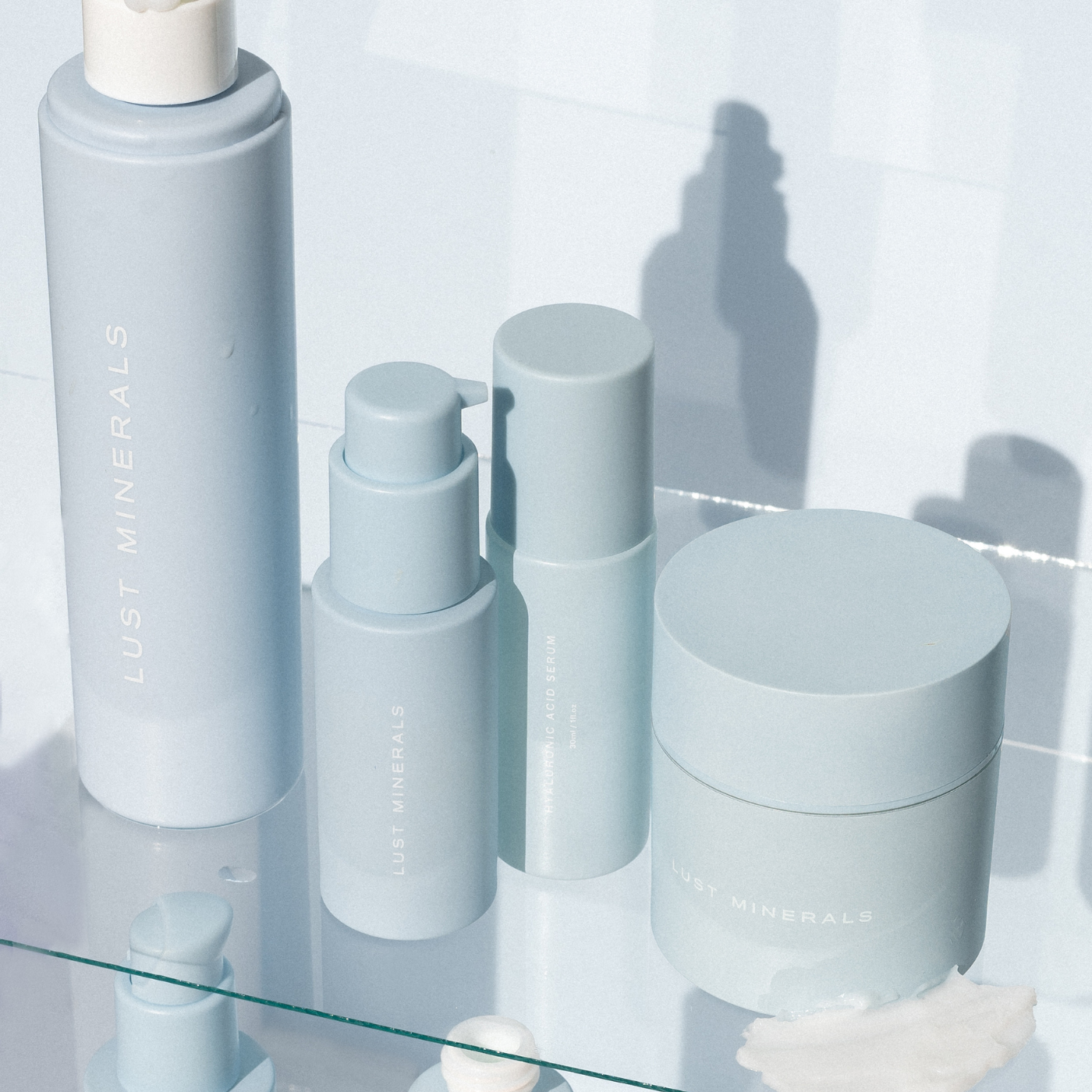
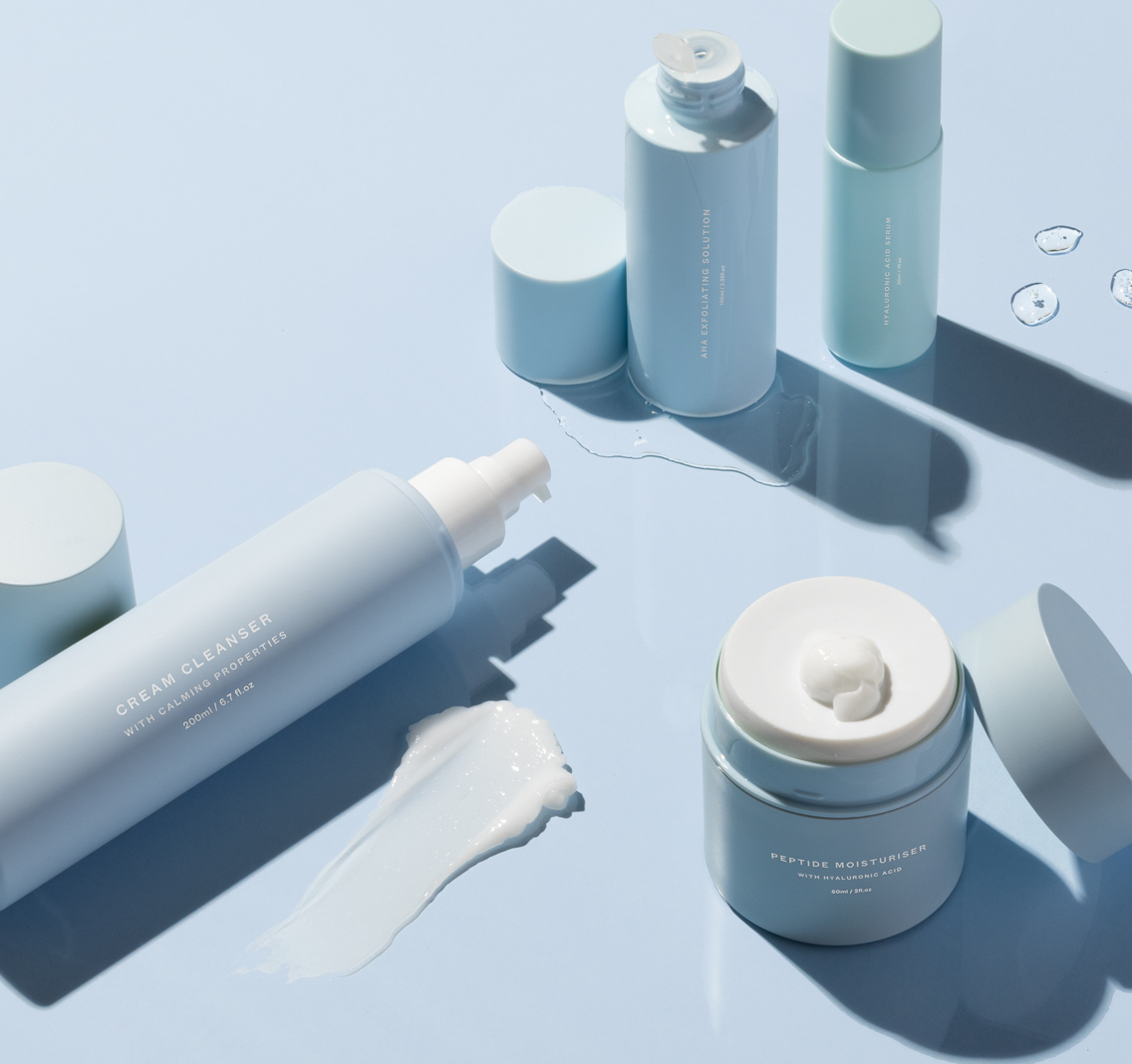
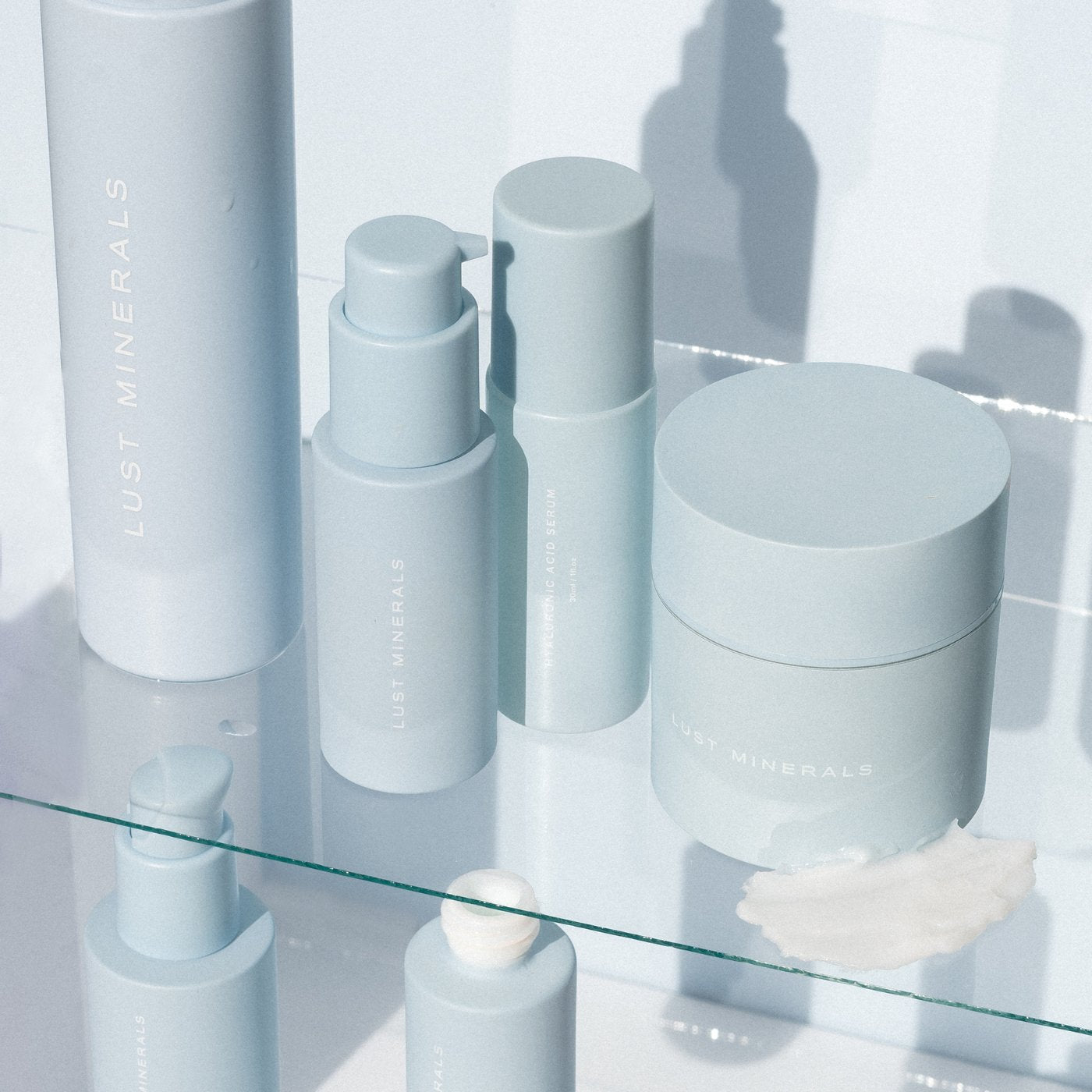
Think of skincare as part of your makeup routine, not a separate step. A gentle cleanser, the right moisturiser and targeted hydration can help create a smoother base before your foundation even goes on.
Start small and work it in
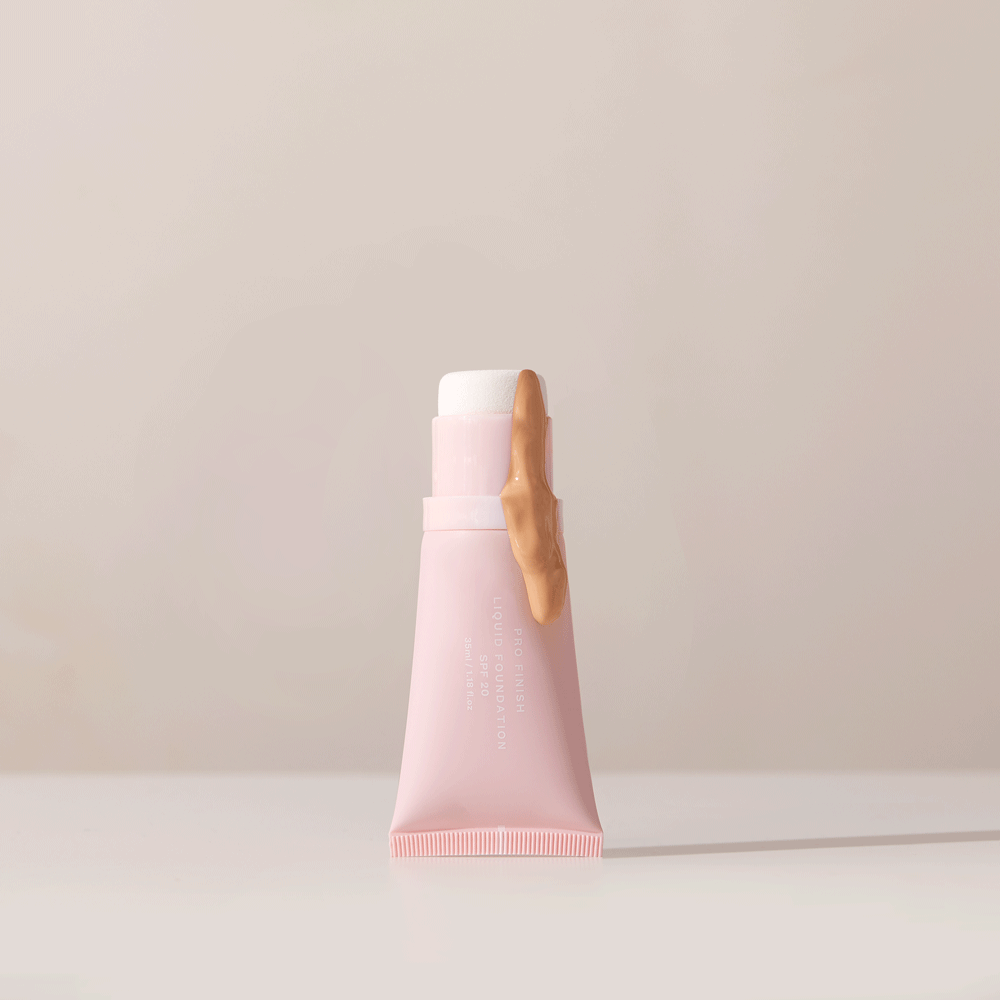
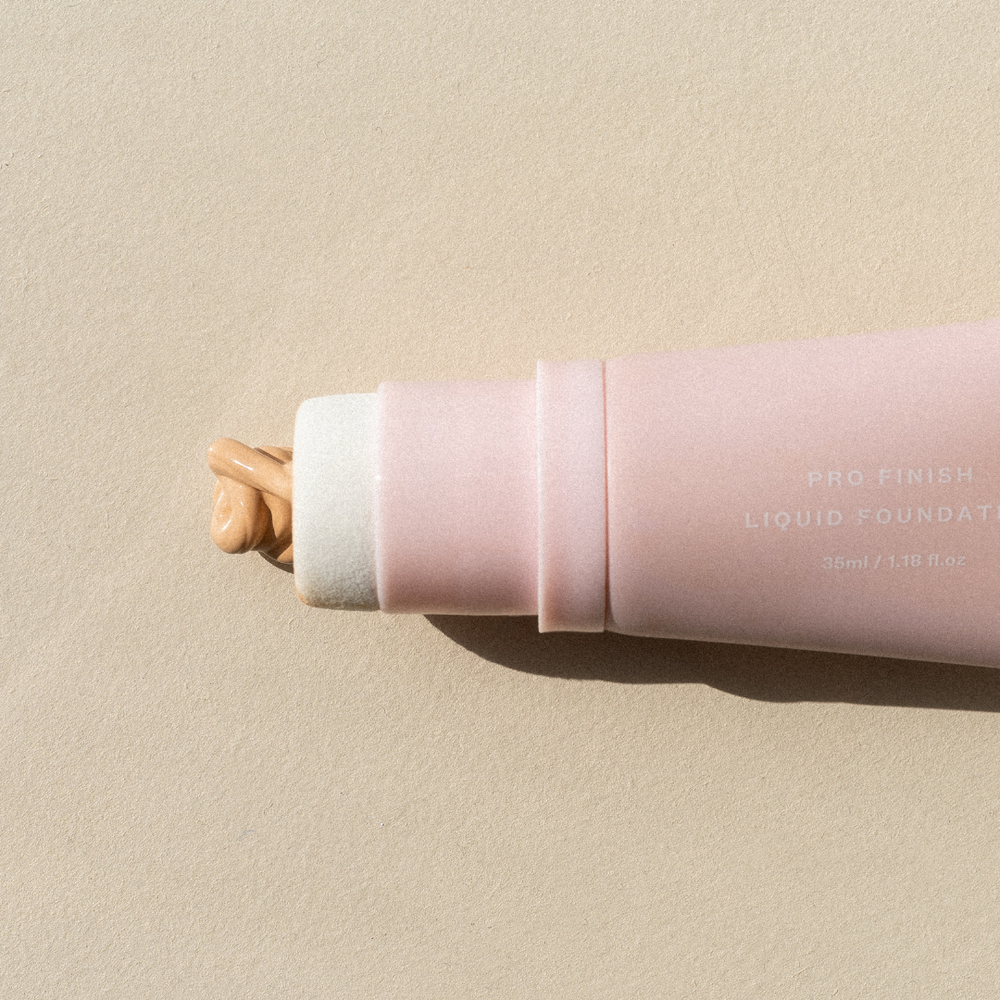
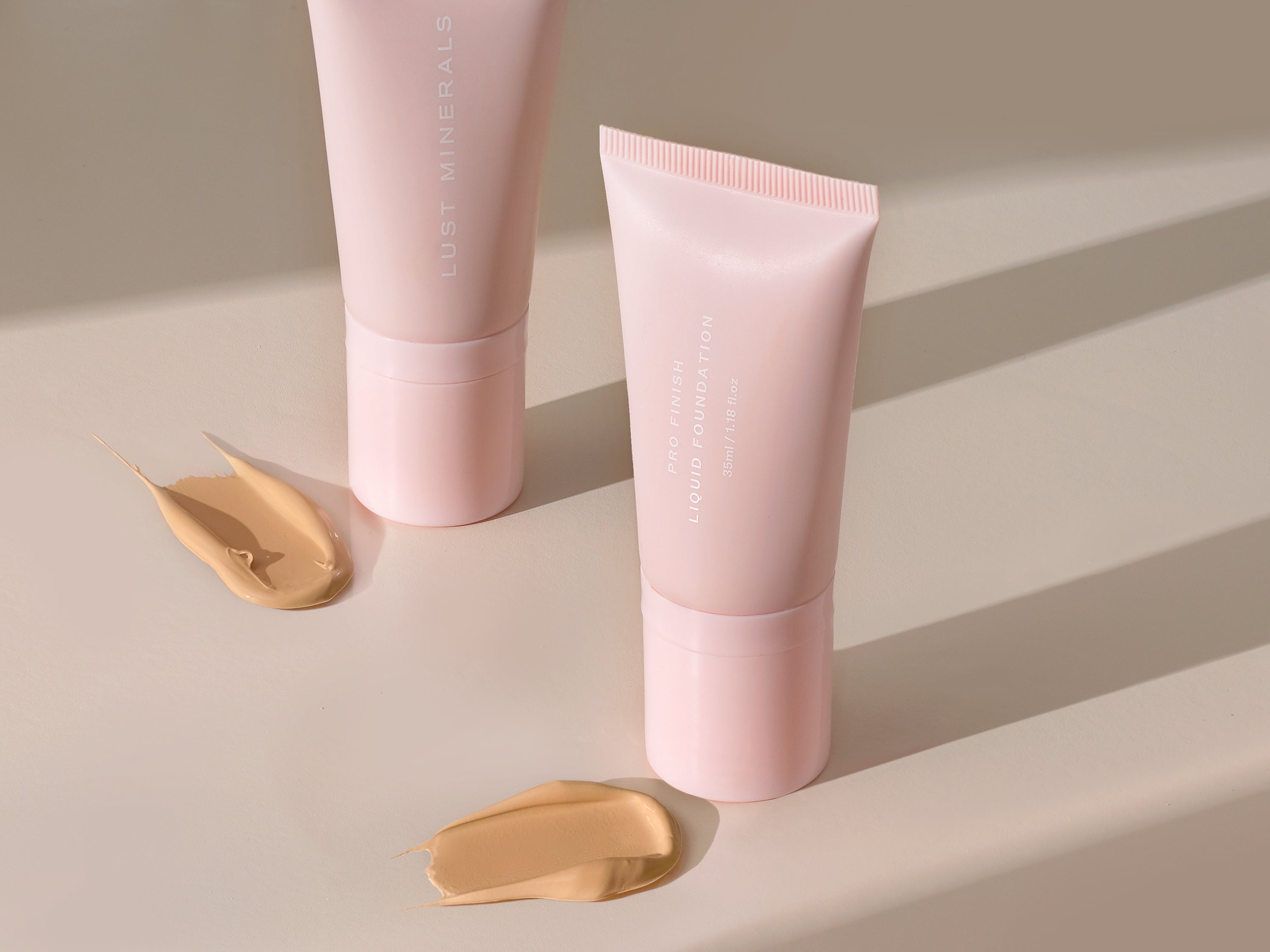
Rather than applying a lot of foundation at once, start with a small amount and work it in from the centre of your face outwards. Warming the product slightly on the back of your hand first can also help it spread more easily.
Take your time to press and blend rather than layering too much too quickly. The goal is for your foundation to melt into the skin, not sit on top of it.
Powder is a tool, not a finish
You don’t need to powder your whole face. Instead, apply it only where you tend to get shine, usually through the T-zone and leave the rest of the skin looking more natural.
Using powder more selectively helps control shine without taking away all of the skin’s natural dimension, so your makeup still looks fresh rather than overly matte.
Your blush placement might need an update
If you learned your makeup in the nineties, you were probably taught to sweep blush along the cheekbone and back toward the ear.
A more modern placement brings the colour slightly higher and further forward, onto the apples of the cheeks and blended upward toward the temples. It’s a small shift, but it can make the whole face look fresher and more lifted.
Your shade will change over time
Your skin tone can shift with the seasons, sun exposure and over the years, so the foundation shade that suited you once may not be the best match forever.
If your foundation suddenly feels a little too light, dark, warm or cool, it may simply be time for a fresh match.
The bit nobody says out loud
Several women told us they don't ask for help because asking feels embarrassing. One put it beautifully: she wanted "confidence to ask more questions without feeling stupid for asking".
There is nothing to feel stupid about. You were never taught this. Almost nobody our age was. And the fact that you can run a household, a job and a family but have never been shown where to put cream blush is not a character flaw, it's a gap in the curriculum.
Not sure where to start? Book a free colour match with one of our team... ten minutes, no pressure, and we'll tell you the two or three things worth having.