

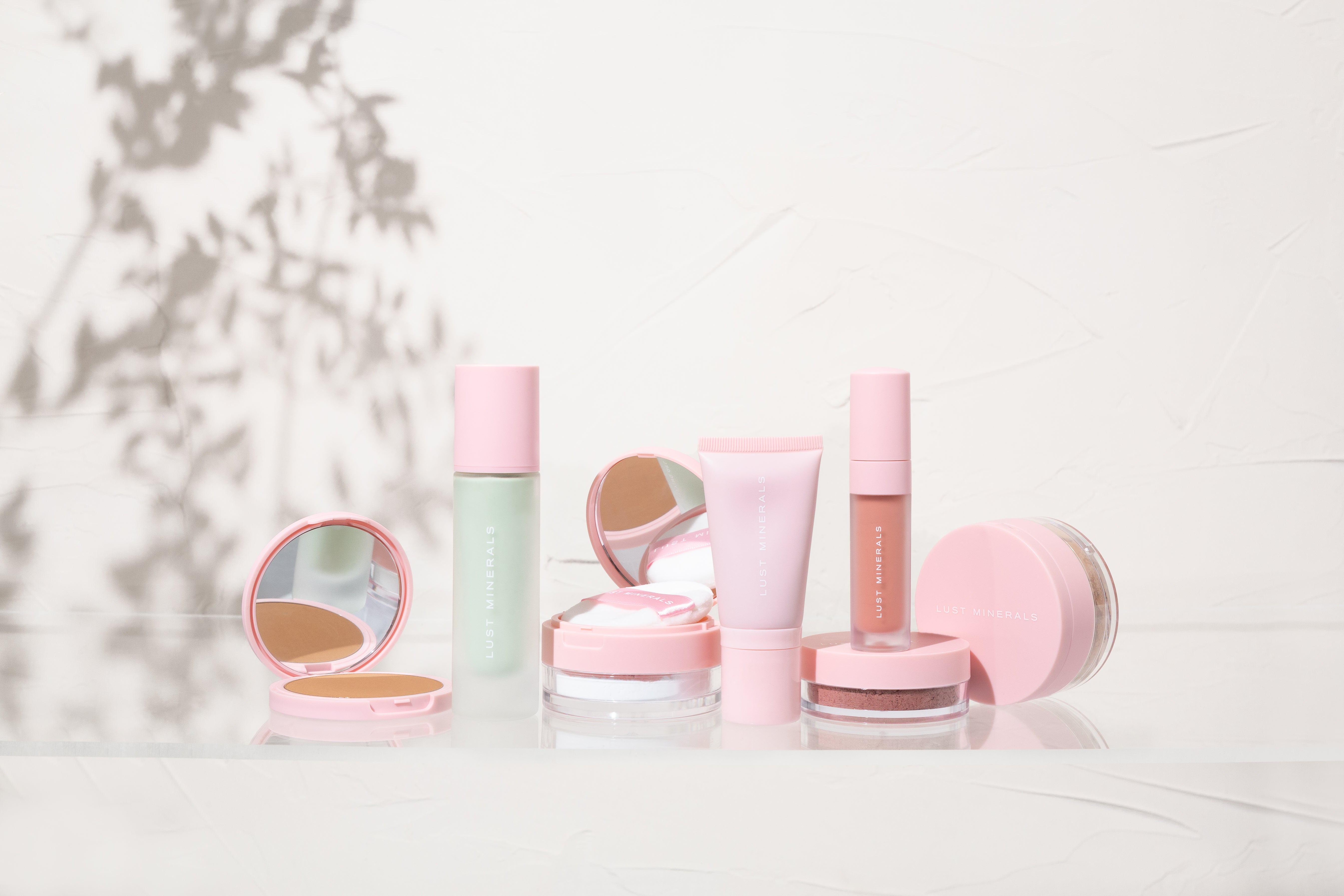



Concealer That Doesn’t Crease Under Your Eyes

You finish your makeup, your under-eyes look smooth, bright and fresh… Then by mid-morning, your concealer has gathered into a line.
It’s one of the most common makeup frustrations, and the good news is that the concealer itself often isn’t the only problem.
Under-eye skin moves constantly. Every blink, smile and expression creates movement, so some settling is completely normal.
The goal isn’t to make your under-eyes completely immovable. It’s to reduce how much product gathers and keep the area looking fresh for longer.
If you’re wondering how to stop concealer creasing, these are the changes that usually make the biggest difference.
1. Use less concealer
This is the biggest one.
The more product you apply under your eyes, the more there is to settle into fine lines throughout the day.
It’s very easy to over-apply concealer, especially when you’re trying to brighten the look of darkness or shadow.
Instead, start with less than you think you need. A small amount at the inner corner and through the areas that need the most coverage is often enough. You can always add another thin layer if needed.
Removing excess product once it’s already built up is much harder.
2. Don’t apply it too close to the lash line
A lot of us were taught to apply concealer in a thick half-moon directly underneath the eye.
The problem is that this is also where the skin moves and folds the most.
Instead, place your concealer slightly lower. Focus on the inner corner and any areas where you notice the most shadow, then blend the product outward.
This can help brighten the overall under-eye area without packing product directly into the places most likely to crease.
Less product in the fold usually means less product available to gather there later.
3. Let your eye cream absorb first
Hydrating the under-eye area can create a much smoother base for makeup. But there’s a difference between hydrated skin and wet skin.
If your concealer goes straight over an eye cream that hasn’t had time to absorb, the makeup can move around more easily.
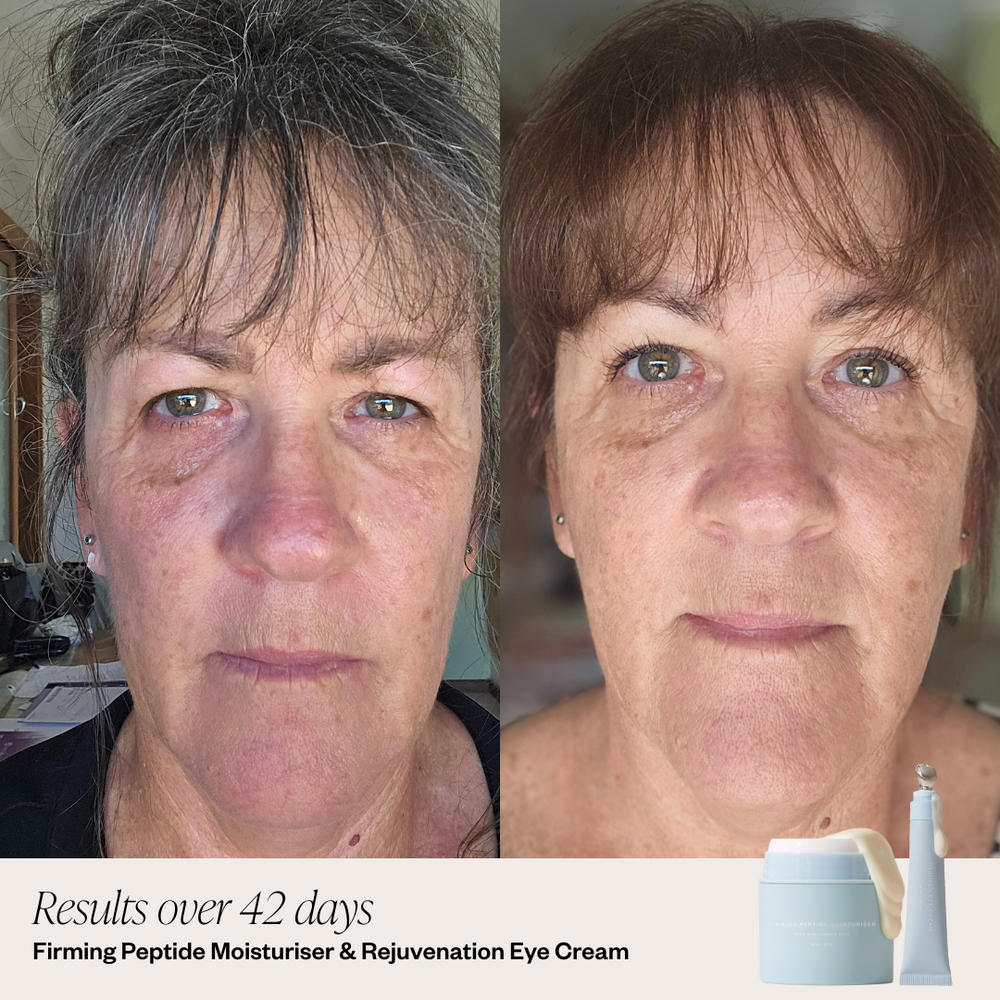
Apply your Firming Peptide Eye Cream first, then give it a little time to settle into the skin.
Finish your skincare, brush your teeth, do your brows or start another part of your makeup. Then come back to your concealer.
You want the skin to feel comfortable and moisturised, but not slippery.
4. Press instead of dragging
How you blend your concealer matters too.
Dragging a brush or sponge backwards and forwards can move the product around and push it into the natural lines around your eyes.
Instead, use a gentle tapping or pressing motion. You can use your fingertip, a small makeup brush or a sponge depending on the finish you prefer.
The aim is to blend the product into a thin, even layer without repeatedly shifting it across the skin. Pay particular attention to the inner corner, where concealer tends to collect most easily.
5. Build thin layers
A thick layer of concealer might look flawless immediately after application, but more product doesn’t always mean a better result later in the day.
Under-eye makeup often wears better when it’s applied in light layers.
Start with a small amount.
Blend it completely.
Then step back and look at the area before adding more.
You may find you need far less coverage than you originally thought. A thinner application also tends to look more natural around skin texture.
6. Be careful with powder
Powder can be incredibly helpful for setting concealer.
It can also make the under-eye area look dry or more textured if too much is applied.
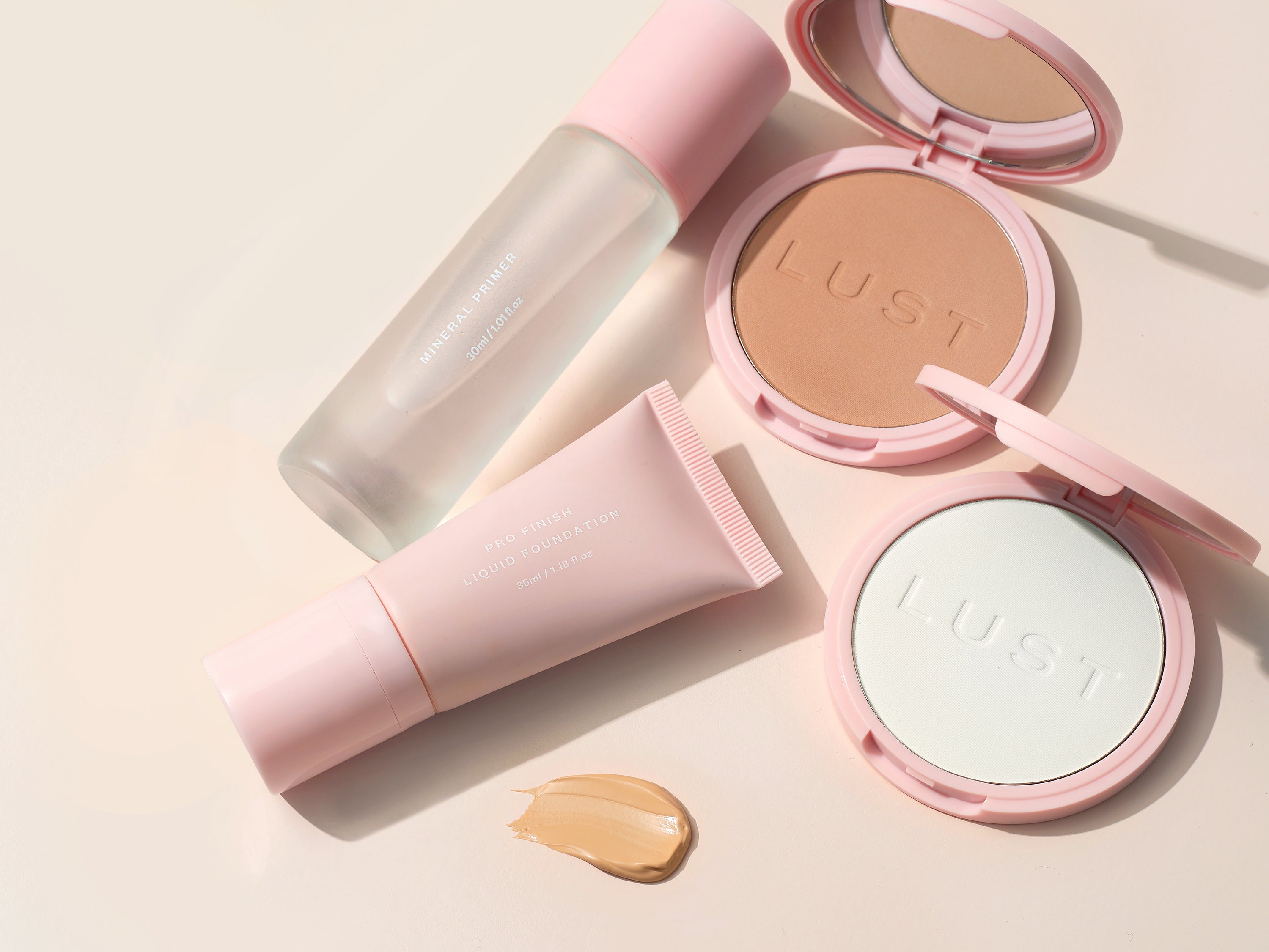
If you choose to set your concealer, use a very small amount of a finely milled powder like our HD Setting Powder.
Rather than sweeping a large amount across the entire under-eye area, gently press a small amount where you tend to crease most.
And before you powder, look closely at your concealer. If it has already settled into a line, gently tap it out first. Otherwise, you’re simply setting the crease in place. You may also find your under-eyes look better without powder at all.
There’s no rule that says you have to set every concealer. Experiment with both approaches and see which wears best on your skin.
Check the skin before you set
Here’s a small trick that can make a big difference.
After blending your concealer, wait a moment. Look up slightly and check whether any product has already started collecting in your natural lines.
If it has, lightly tap the area with your finger or sponge to smooth it again. Then, if you want to use powder, set it. It only takes a few seconds but can help prevent you from locking excess product into a crease.
What about your concealer shade?
Shade can affect how your under-eye area looks too.
It’s tempting to choose a concealer that is several shades lighter than your foundation because you want the area to look bright.
But going too light can sometimes draw more attention to the under-eye area and make texture appear more noticeable.
For natural-looking brightening, a concealer close to your skin tone or slightly lighter can be easier to wear.
Your undertone matters as well. Choosing a shade that complements your overall colouring will usually look more seamless than simply choosing the lightest concealer you can find.
If you’re unsure which Concealer shade suits you, our team can help during a free colour match.
A little creasing is normal
This is worth saying.
Your under-eye area is skin. It moves. There are natural lines there, and makeup may settle slightly as the day goes on.
That doesn’t mean you have applied your concealer incorrectly. The aim isn’t a perfectly flat under-eye that looks exactly the same from 8am until 8pm.
It’s to avoid a heavy, visible line of product collecting soon after application. And usually, the solution is simpler than adding another product.
The simplest anti-creasing routine
If you want to keep it easy, try this:
Prep lightly.
Use eye cream and allow it to absorb.
Apply less.
Start with a small amount of concealer.
Place it strategically.
Focus on the inner corner and areas of shadow rather than covering the entire under-eye heavily.
Press it in.
Tap rather than dragging.
Check before setting.
Smooth out any product that has already collected.
Use minimal powder.
Only where you actually need it.
That’s often enough to make a noticeable difference in how your concealer wears.
Still struggling with your under-eye concealer?
Sometimes the issue comes back to the shade, formula or simply using a product that doesn’t suit the finish you prefer.
Our team can help you choose your closest Concealer shade and recommend a foundation and base combination that suits your skin.
Book a free colour match and we can help take the guesswork out of it.
Less product, lighter layers and a little more prep can completely change how your concealer wears throughout the day.