




You’re Probably Wearing Last Summer’s Shade

How Your Foundation Shade Changes With the Seasons
Here’s something we don’t talk about enough when it comes to foundation: Your perfect shade isn’t necessarily your perfect shade forever.
Your skin tone can shift throughout the year with sun exposure, changes in routine and seasonal differences in how much time you spend outdoors.
Yet most of us find one foundation shade we love and keep reordering it year after year. Then one day, it suddenly doesn’t look quite right anymore.
If your foundation once blended seamlessly but now looks a little too light, too deep or just slightly off, there’s a good chance your skin tone has changed more than your foundation has.
Does your foundation shade change with the seasons?
It absolutely can. In summer, many of us naturally become a little deeper or warmer from increased sun exposure. Through winter, that colour often fades again.
The shift might be subtle, but foundation is one of those products where even a small difference can become noticeable once it’s applied across your whole face.
Your undertone may stay fairly consistent, while the depth of your skin tone changes.
That means you may still suit the same general shade family, but need to move slightly lighter or deeper depending on the time of year.
Signs your foundation shade has changed
Not sure if your shade is still right for you? There are a few easy ways to tell.
You can see a line around your jaw
A well-matched foundation should blend naturally between your face, neck and chest.
If you can clearly see where your foundation stops along your jawline, your current shade may no longer be matching your skin as closely as it once did.
Your complexion looks flat in photos
Sometimes a foundation shade can look completely fine in the mirror but appear too pale, dull or slightly grey in photos.
This can be a sign that your current shade is now a little too light or that the tone isn’t sitting as naturally against your skin.
You keep trying to “fix” it with more product
If you find yourself applying extra bronzer, building more foundation or constantly blending down your neck, take another look at your base shade.
The issue may not be your application at all. It could simply be that the colour needs adjusting.
It looks fine inside but wrong in daylight
Bathroom mirrors and artificial lighting can be surprisingly forgiving. Natural daylight gives you a much more accurate view of how your foundation is sitting against your skin.
If your shade looks different once you step outside, trust the daylight.
How much can your foundation shade actually change?
There isn’t one exact amount that applies to everyone.
For some people, the shift between winter and summer is barely noticeable. For others, it can be enough to require a different foundation shade altogether.
Sun exposure, your natural skin tone, how easily you tan and whether you use self-tanning products can all influence the difference.
The key is not to assume your foundation shade needs to stay the same all year. Instead, check your match occasionally and adjust when you need to.
Consider keeping two foundation shades
If your skin tone changes noticeably between seasons, having two shades can make foundation matching much easier.
You might have:
- A lighter shade for winter
- A deeper shade for summer
During the months in between, you can mix the two together to create a more customised match.
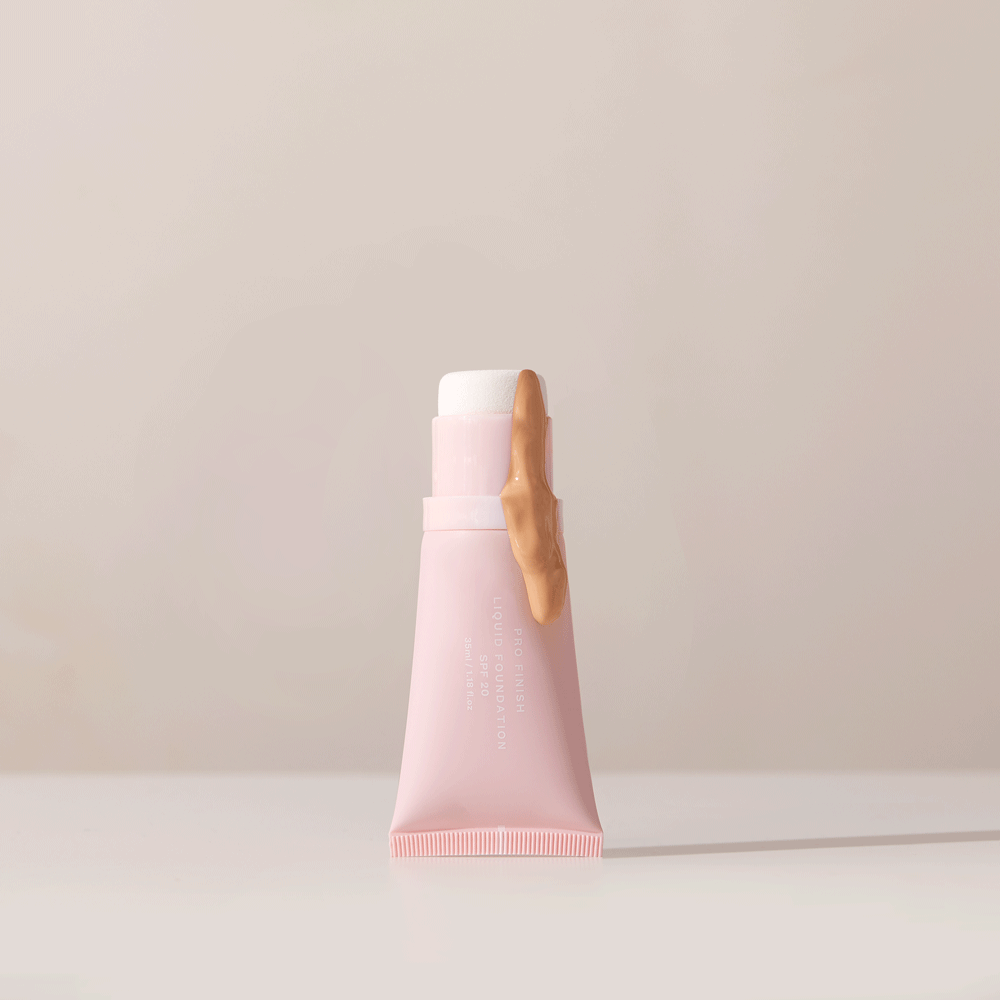
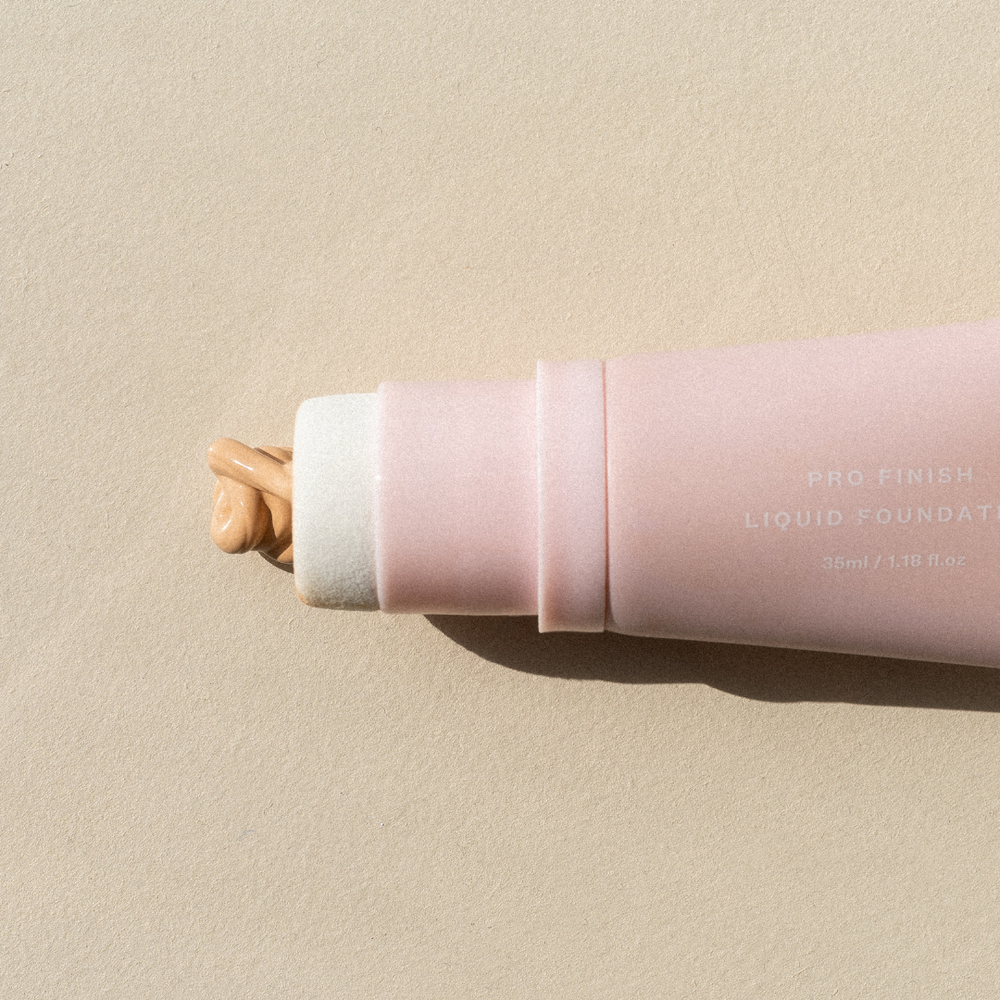
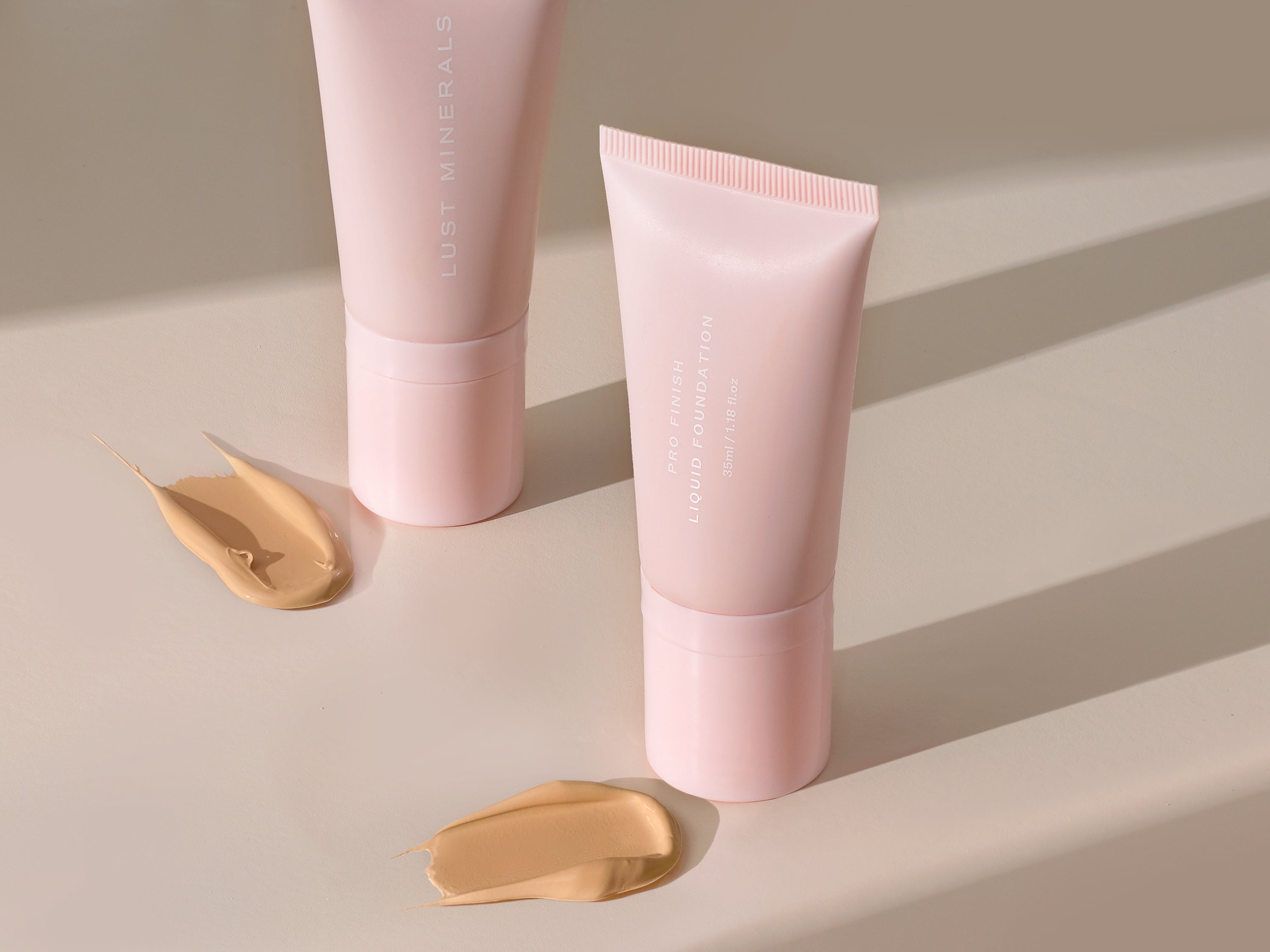
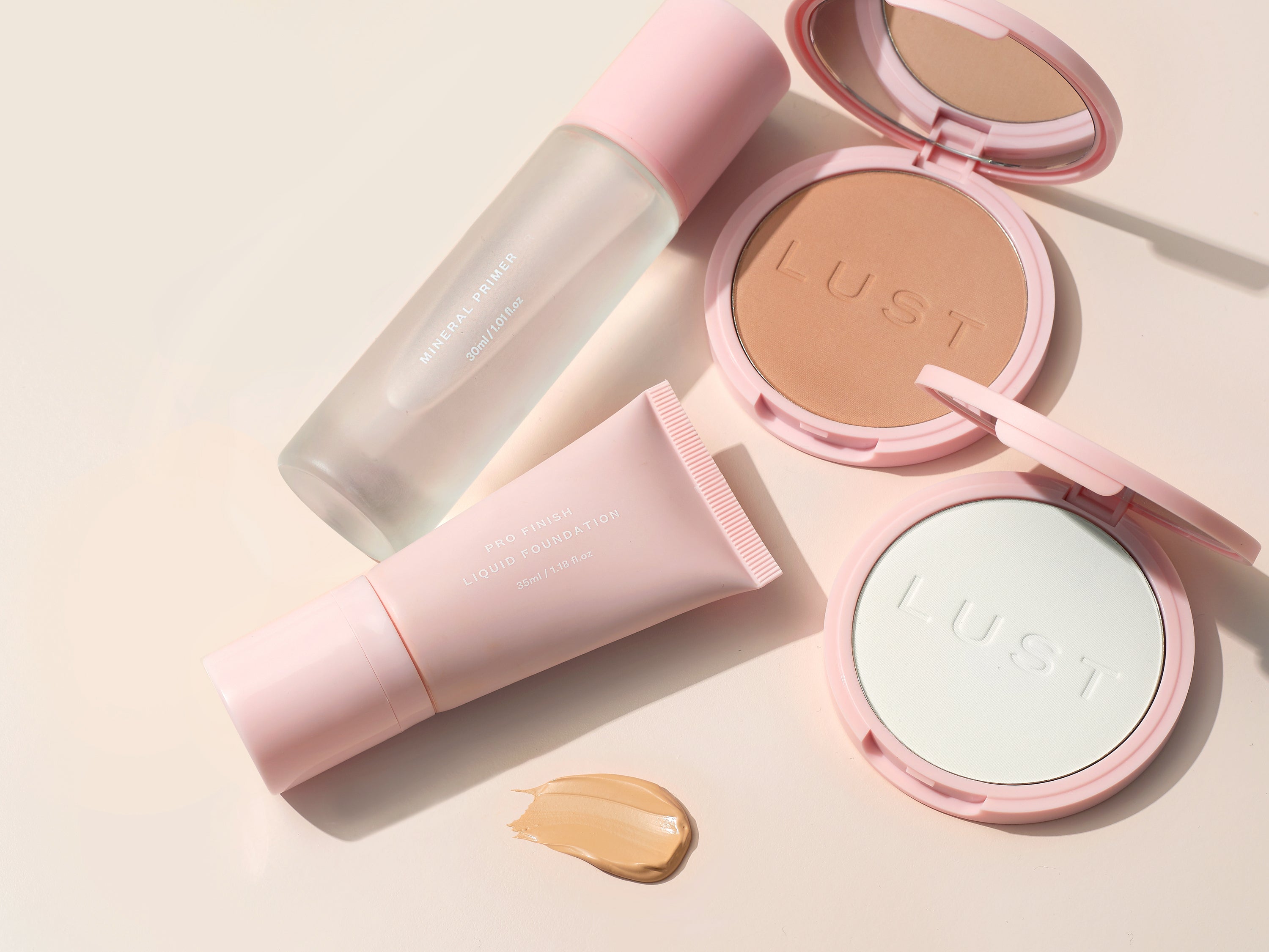
This is especially easy with a liquid foundation like our Pro Finish Liquid Mineral Foundation, because you can adjust the ratio depending on your skin tone that day.
Your foundation collection doesn’t need to be complicated. Sometimes having two neighbouring shades is all you need to stay matched throughout the year.
Match your foundation to more than just your face
Your face is not always the best place to judge your overall colouring.
It may be lighter than your neck and chest, especially if you wear SPF regularly or spend less time with your face exposed to the sun.
When checking your foundation, look at how it blends across your:
Jawline.
This helps you see the transition between your face and neck.
Neck.
Your foundation shouldn’t create an obvious contrast.
Chest.
Particularly if you often wear lower necklines.
The aim is for your overall complexion to look balanced, rather than matching one small section of skin perfectly.
Always check your foundation in natural light
If you’re testing whether your current shade still suits you, apply a small amount along your jawline and stand near a window.
You’re looking for the shade that seems to disappear into your skin rather than one you can clearly see sitting on top of it.
Your wrist and hand aren’t ideal places to test foundation. The colouring there can be completely different from the skin around your face, neck and chest.
What if you use a gradual tan?
This is another big reason your regular foundation shade might suddenly stop working.
If you use a Gradual Tanning Moisturiser, your complexion may become deeper or warmer than it was when you originally chose your foundation.
Your usual base can then appear noticeably lighter against your newly tanned skin.
If tanning is part of your regular routine, it can be worth having a second foundation shade that works with your tanned complexion.
You can also mix your two shades as your tan gradually develops or fades.
Don’t assume your foundation formula is the problem
When an old favourite suddenly starts looking wrong, it’s easy to assume something has changed with the product.
Sometimes, the foundation itself is still working perfectly. The shade simply isn’t matching the skin underneath it anymore. Before giving up on a foundation you previously loved, check the colour in natural daylight.
A small shade adjustment may be all you need.
Not sure if your shade has shifted? You don’t have to work it out alone.
Our team offers a free colour match to help you find the Lust foundation shade that best suits your skin now.
Send through a clear photo in natural daylight or book a virtual colour match and we can help assess your current skin tone, undertone and foundation needs.
And if you do order a shade that isn’t quite right, you can review our shade swap policy to see what options are available.
Your foundation shade isn’t permanent
Your skin changes. Your routine changes. The seasons change.
So it makes sense that the foundation shade you wore six months, two years or even four years ago may no longer be your best match today.
A quick check in natural daylight a couple of times a year can make a surprisingly big difference to how your entire makeup look comes together.
Not sure whether your shade has changed? Book a free Lust Colour Match and let our team help you find your current match.