




Why Your Foundation Sits in Your Lines & What to Change

This came up more than almost anything else when we asked our customers what frustrates them:
“getting the right foundation that doesn't flake or make my skin look horrible and
settle into my wrinkles as most foundations are made for younger women not for older
women”
It's a specific, recognisable annoyance. You put your face on, it looks good, and by eleven o'clock every fine line has a thin outline of foundation in it. Here's what's actually happening, and what to change.
It's usually dryness, not the formula
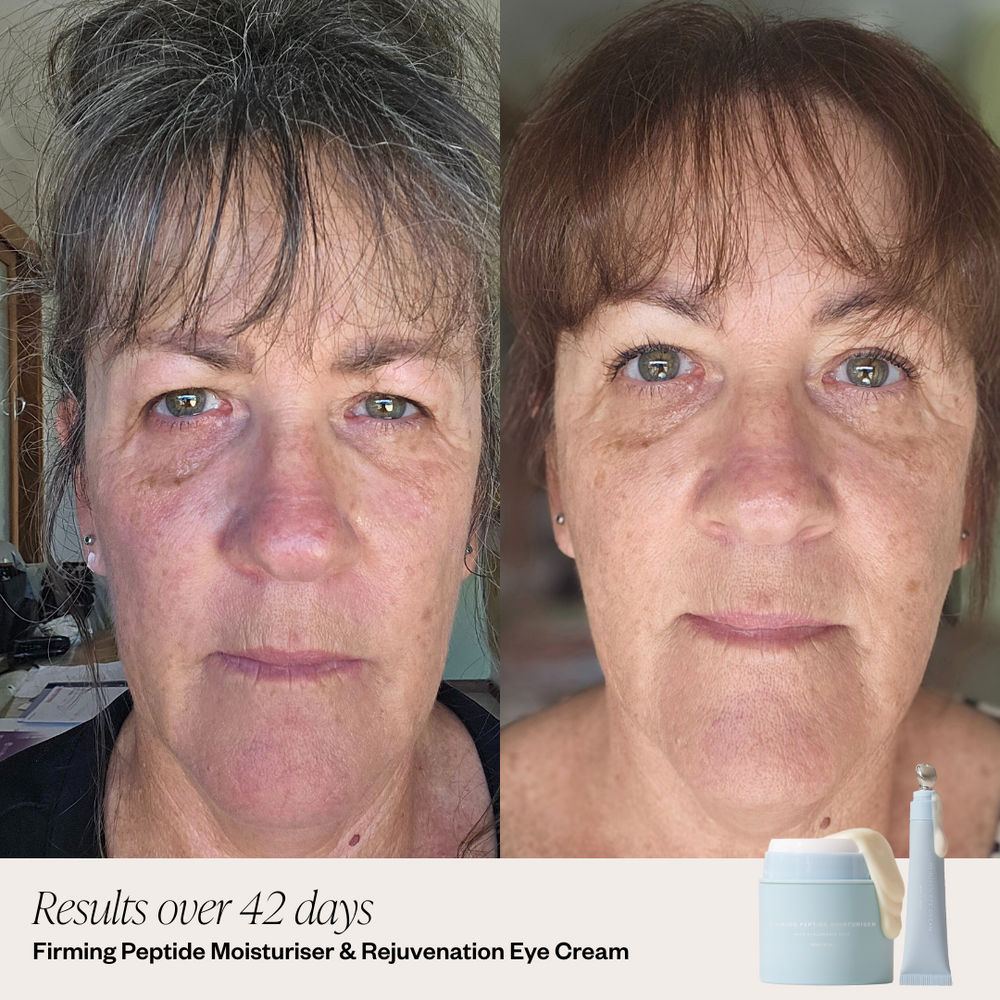
If your foundation tends to settle into fine lines, dryness underneath may be playing a bigger role than the formula itself. When the skin feels dehydrated, makeup can cling to texture and collect more noticeably in certain areas.
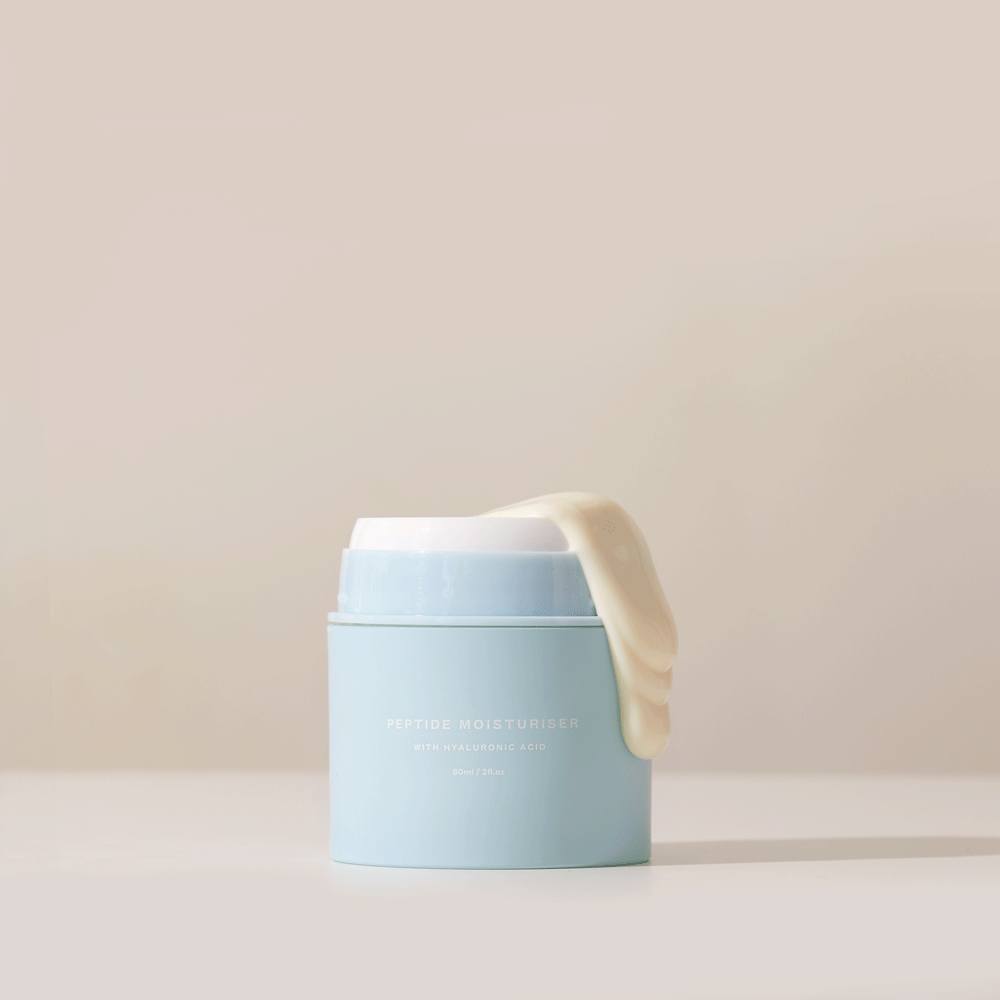
Before changing your foundation, try focusing on hydration first. Apply your skincare, then give it a full minute to properly absorb before going in with makeup. If your moisturiser is still sitting on the surface, your foundation is more likely to move or separate throughout the day.
Think hydrated skin first, foundation second.
You're probably using too much
When foundation starts settling into fine lines, the natural instinct is to add more coverage. But the more product sitting over a crease, the more there is to move and gather throughout the day.
Try starting with a smaller amount, blending it out in a thin layer and only building where you genuinely want extra coverage. A lighter layer over fine lines will usually look fresher and more natural than heavier coverage that has started to shift.
Warm it, press it, don't drag it
When applying foundation, sweeping or dragging your brush or sponge across the skin can sometimes move product around more than you want. Instead, use a small amount and gently press or pat it into the skin, particularly around areas like the eyes, mouth and nose.
This helps you build coverage in thin, controlled layers and creates a smoother, more skin-like finish without encouraging product to settle into fine lines.
Use powder strategically
Powder can help control shine and set your makeup, but too much can make fine lines and texture more noticeable.
If you use it, focus on the areas that actually need it, usually the T-zone and apply a very light amount by pressing it into the skin rather than sweeping. Around the eyes and mouth, you may find you need little to no powder at all for a fresher, smoother-looking finish.
Your shade match matters more than you think
If your foundation is slightly too light, too dark or sitting in the wrong undertone, it can create more contrast against the skin and make texture or fine lines stand out more than they need to.
Your skin tone can also shift over time, so the shade you were matched to years ago may not be the best fit today.
If you’re unsure, our team can help with a free colour match before you buy. It’s one of the easiest ways to make sure your foundation looks as natural and seamless as possible.
GET SHADE MATCHED BY OUR EXPERTS.
What to look for in the formula
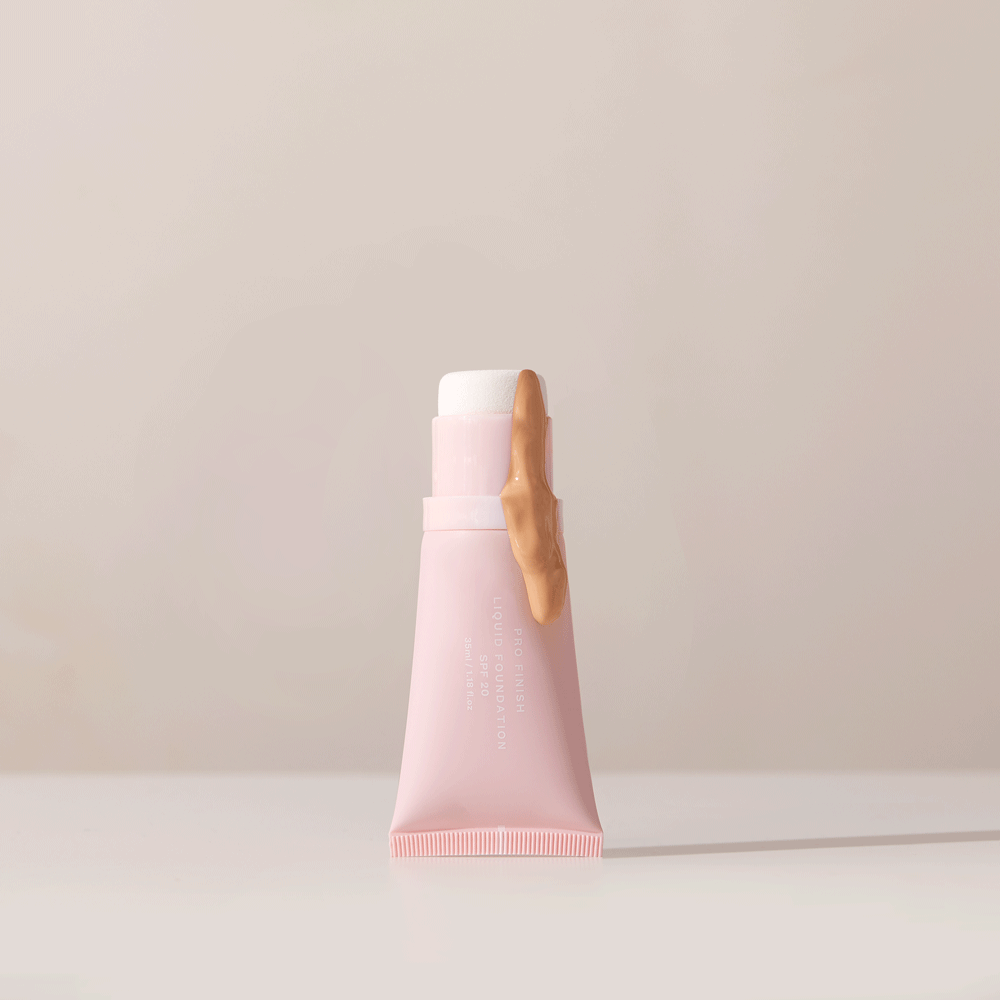
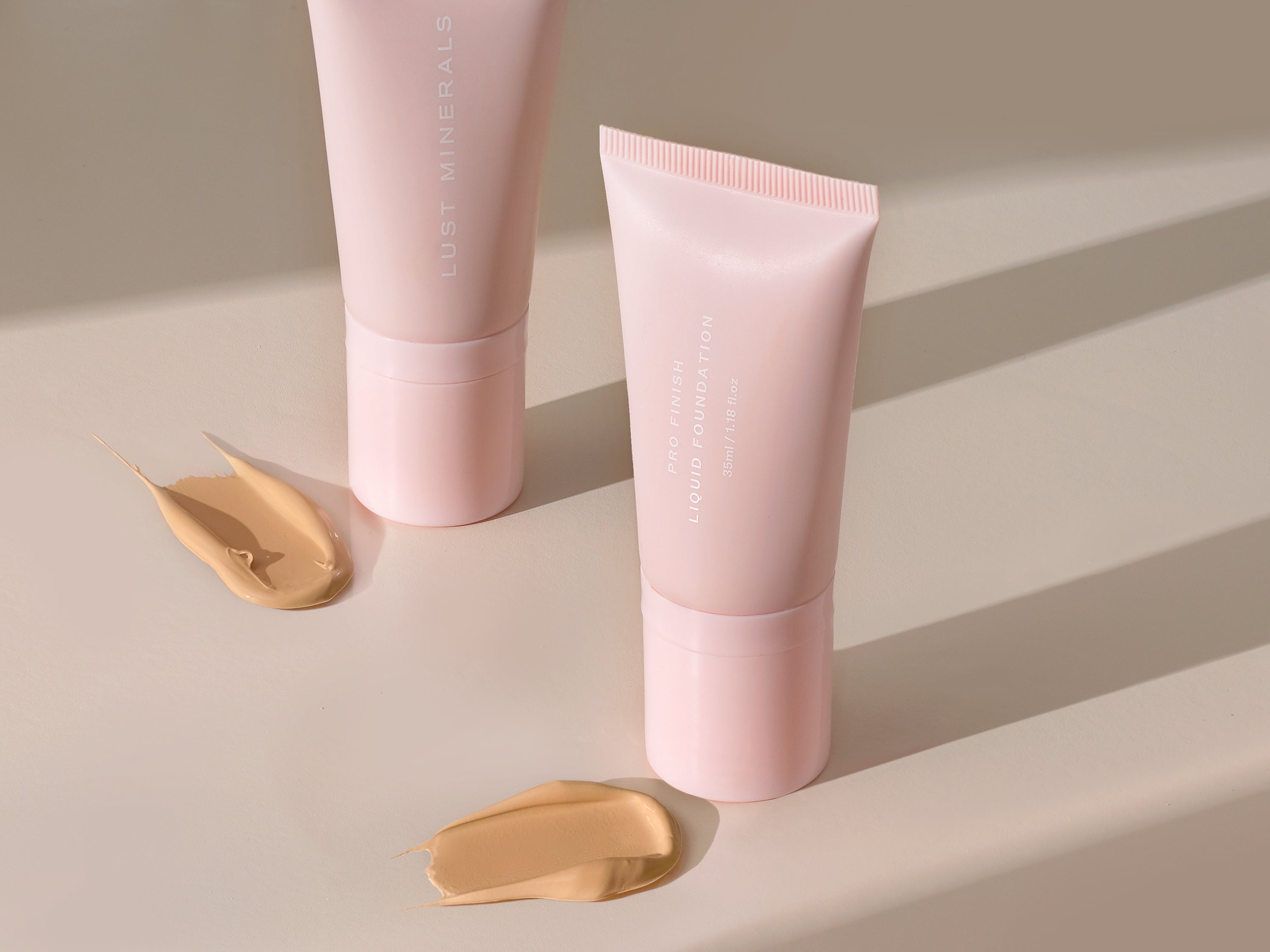
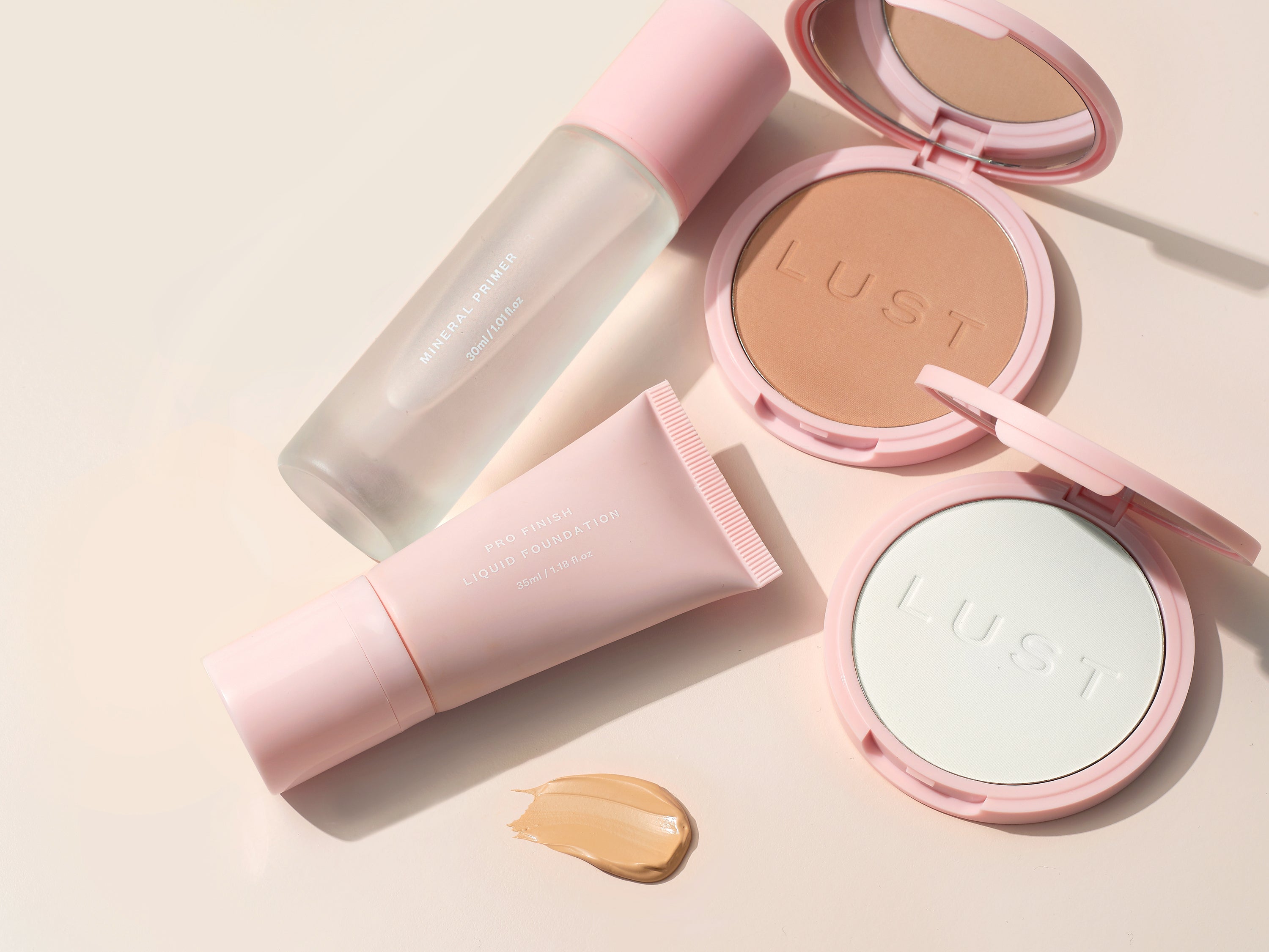
If you’re shopping for something new, look for words like hydrating, buildable, dewy or natural finish. These types of formulas can be a little more forgiving on texture and tend to create a softer, more skin-like finish.
Matte, full-coverage and long-wear formulas aren’t necessarily off-limits, but they can sometimes make dryness or fine lines look more noticeable if too much product is applied. The key is choosing a finish that works with your skin and keeping the application light and well-prepped.
And the reframe worth holding onto
One of our customers said something we keep coming back to:
“I think we should not chase youthfulness, we should chase beauty at any age.”
That’s exactly it. The goal isn’t to erase lines or change the way your skin looks. It’s to help your makeup sit beautifully, feel comfortable and still look like skin.
Often, the biggest difference comes down to a few simple things: hydration, using less product and applying it with a lighter hand.
If your foundation has never quite felt right, a free colour match is a great place to start. Our team can help you work out whether it’s the shade, the formula or the way it’s being applied, before you spend money on something new.